
What Is An Influencer Trip? How Brands Use Travel In Influencer Marketing
The short answer
An influencer trip is a format of influencer marketing in which a brand hosts a small group of creators at a destination for a planned shoot. The creators post on their own channels, and a production crew films alongside them, so the brand comes back with a library of ad-ready video from one production window instead of a handful of separate posts. From Singapore, influencer trips usually run three to four days in short-haul Asia and cost from SGD 20,000 for a standard campaign to about SGD 50,000 for a fully customised one.
Most influencer marketing budgets buy posts. An influencer trip buys a shoot. That one difference changes how much content you get, how it performs as paid media, and how long you can keep running it.
What is an influencer trip?
An influencer trip is a short trip a brand hosts for a selected group of creators, built to produce a large volume of usable content in one go. The brand covers the travel and the itinerary. The creators live with the product for a few days in a new place, post about it on their own channels, and are filmed by a production crew while they do.
It is still influencer marketing: the creators, their audiences and their voice are the point. What changes is the setting and the production. The trip is planned like a campaign, with a brief, a shot list for every location and a content plan that starts before anyone boards the plane. What comes back is a brand film, a set of cutdowns for ads, and the creators' own posts.
- Influencer trip
- A brand-hosted trip for creators, built to produce content. Judged on how much usable content it produces for the money.
- Influencer travel campaign
- The wider campaign an influencer trip sits inside, including the brief, the posts, the paid media and the reporting.
- Press trip or fam trip
- A familiarisation trip, usually run by a tourism board or a hotel, that invites creators and media to experience a destination in return for coverage of that destination.
- Cutdowns
- Shorter edits of the main film, sized and paced for Reels, TikTok and Meta ads, so one shoot can feed many ad variations.
- Usage rights
- How long the brand may run the footage as paid media. Set by package, with extended rights quoted upfront.
How is an influencer trip different from a press trip or a normal influencer campaign?
A press trip sells the destination. An influencer trip uses the destination to sell your product. And a normal influencer campaign pays creators for posts they make at home, one at a time.
| Standard influencer campaign | Press or fam trip | Influencer trip | |
|---|---|---|---|
| What it promotes | Your product | The destination or hotel | Your product, in a destination |
| Where content is made | At the creator's home | On location | On location, across several backdrops |
| Who films | Each creator, alone | Each creator, alone | Creators plus a production crew |
| What the brand keeps | Posts on creator accounts | Coverage | Creator posts plus a library of ad-ready video |
| How it is judged | Reach per post | Destination coverage | Usable content per dollar, and how it performs as ads |
Most brands need both kinds of influencer marketing. Always-on local influencer and KOL campaigns keep a steady flow of posts going; an influencer trip produces the hero content that the paid media runs on.
Why does content from a trip outperform content shot at home?
Because audiences learn to skip what they recognise, and ad platforms notice. On Meta, ads that the same audience has seen too many times get more expensive to deliver; Ads Manager can flag this as creative fatigue when cost per result rises well above its earlier level. The fix is new, genuinely different creative, and a new place is the fastest way to get it. Creators have something real to react to, so the product turns up inside a story rather than in front of a set.
MariBank is the clearest example we have. The Singapore digital bank sent creators to Bangkok, two hours and twenty minutes from Changi, and built three films around real moments: a night-market walkthrough, flying to Bangkok for one sandwich, and landing with zero cash. By MariBank's own measurement, those videos outperformed all their other MariBank videos on both organic and paid reach.
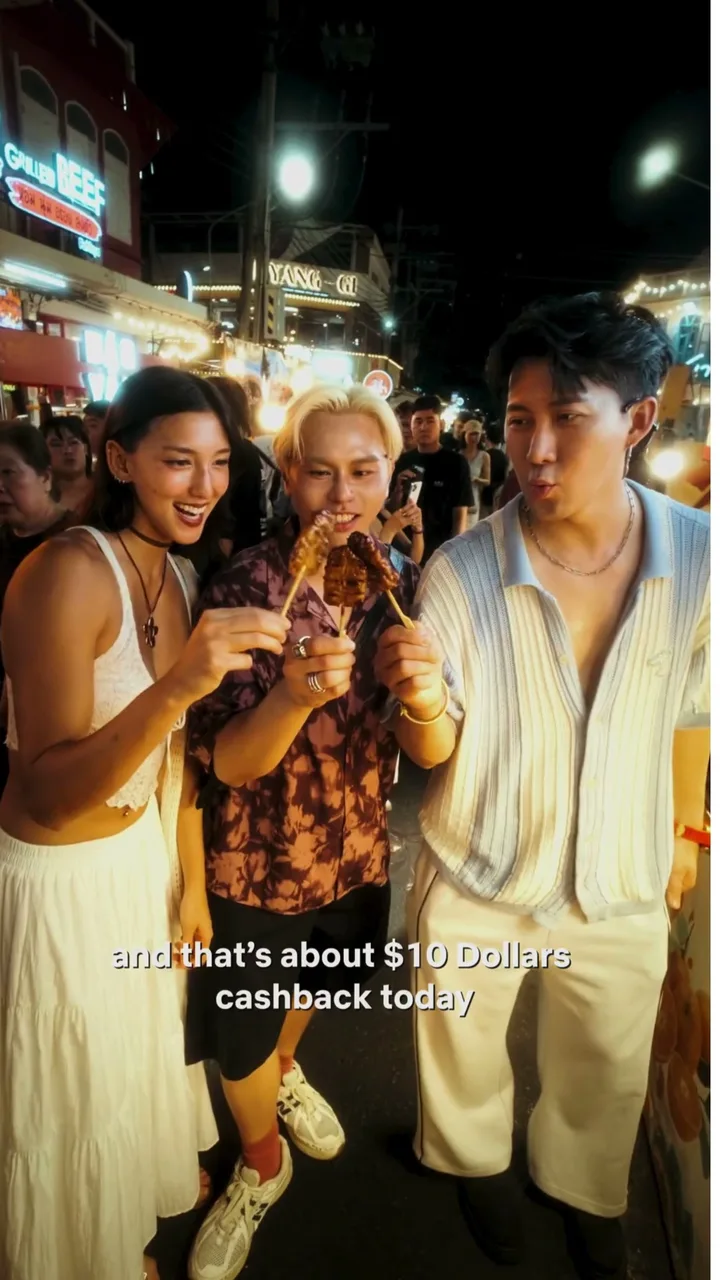
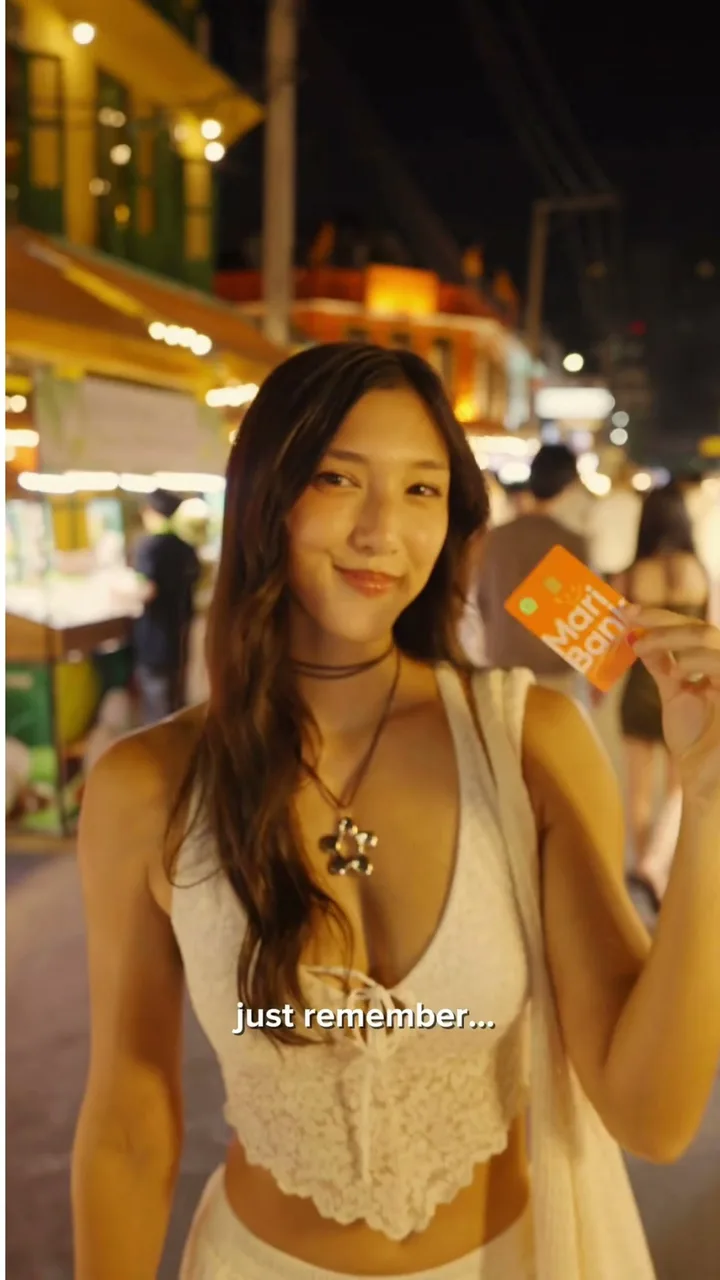
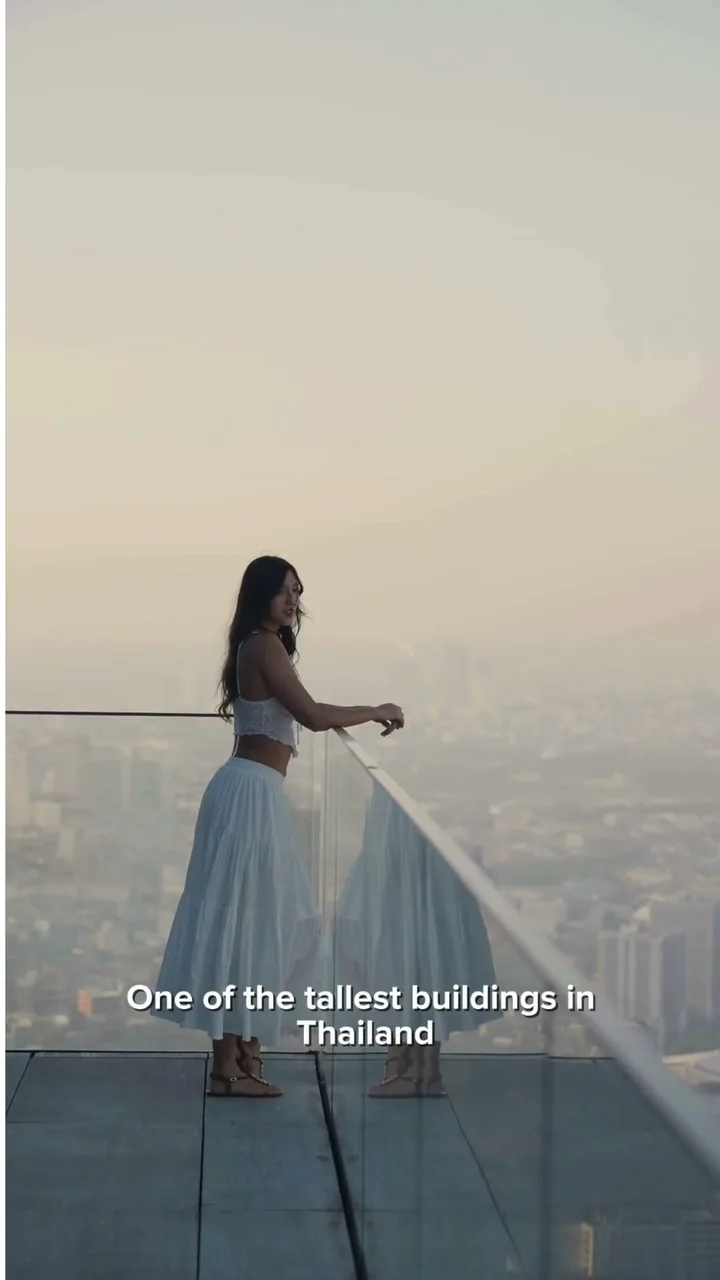
“Your Bangkok campaign videos outperformed all our other MariBank videos on both organic and paid reach.”
Hui Juan, MariBank
Both halves of that matter. Organic reach means the content earned its own distribution. Paid reach means it was also efficient to put money behind, which is what decides whether a shoot was worth it.
What does an influencer trip produce?
- A brand highlight film, shot by our own crew on the ground for the whole trip.
- Four to ten cutdowns, depending on the package, ready to run as Reels, TikToks and Meta ads.
- The creators' own posts on their channels, which are additional to the brand film, not a replacement for it.
- Pre-trip content, because filming starts before departure, so the campaign has assets from day zero.
- Enough variation across several backdrops to stop rotating the same three ads for months.
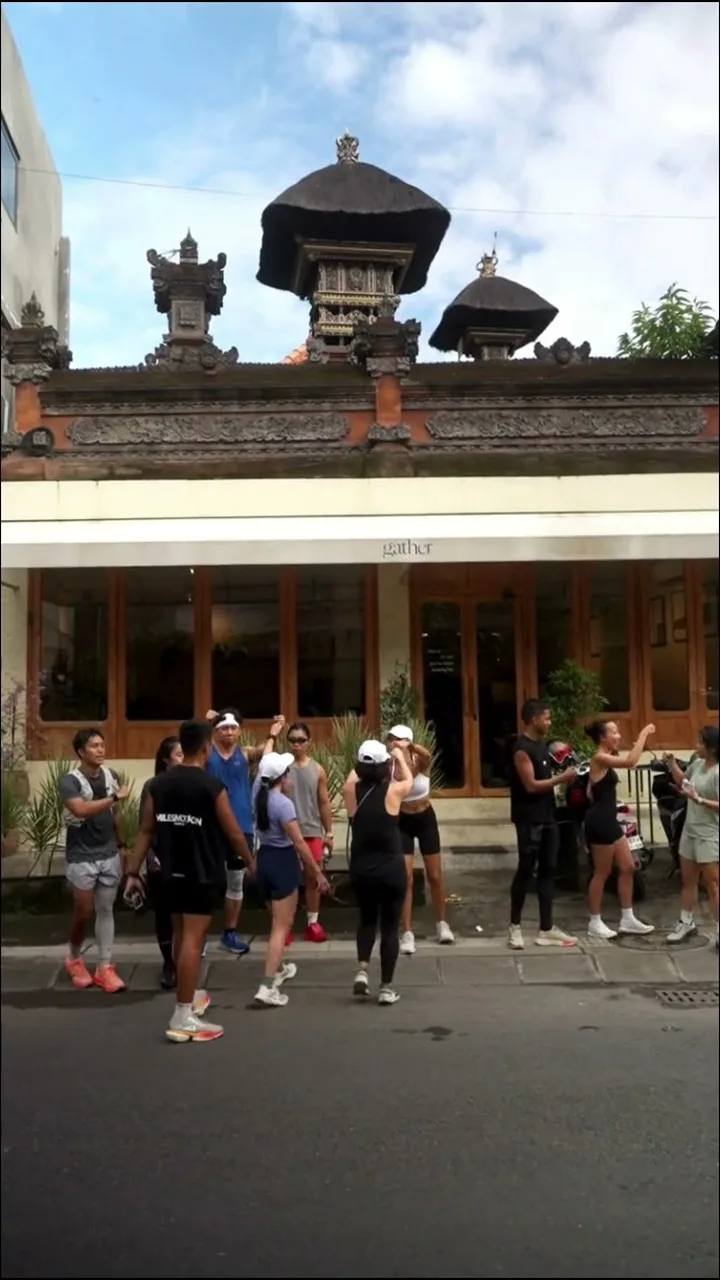
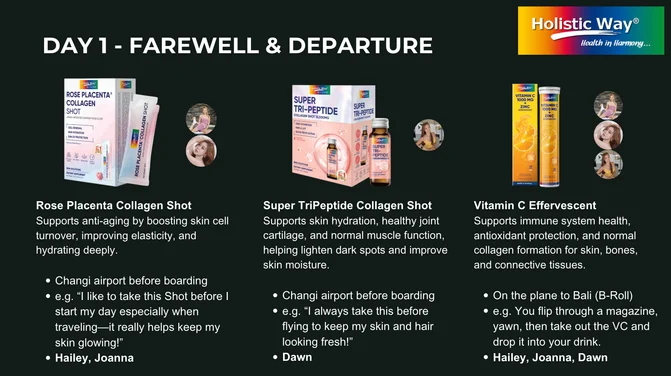
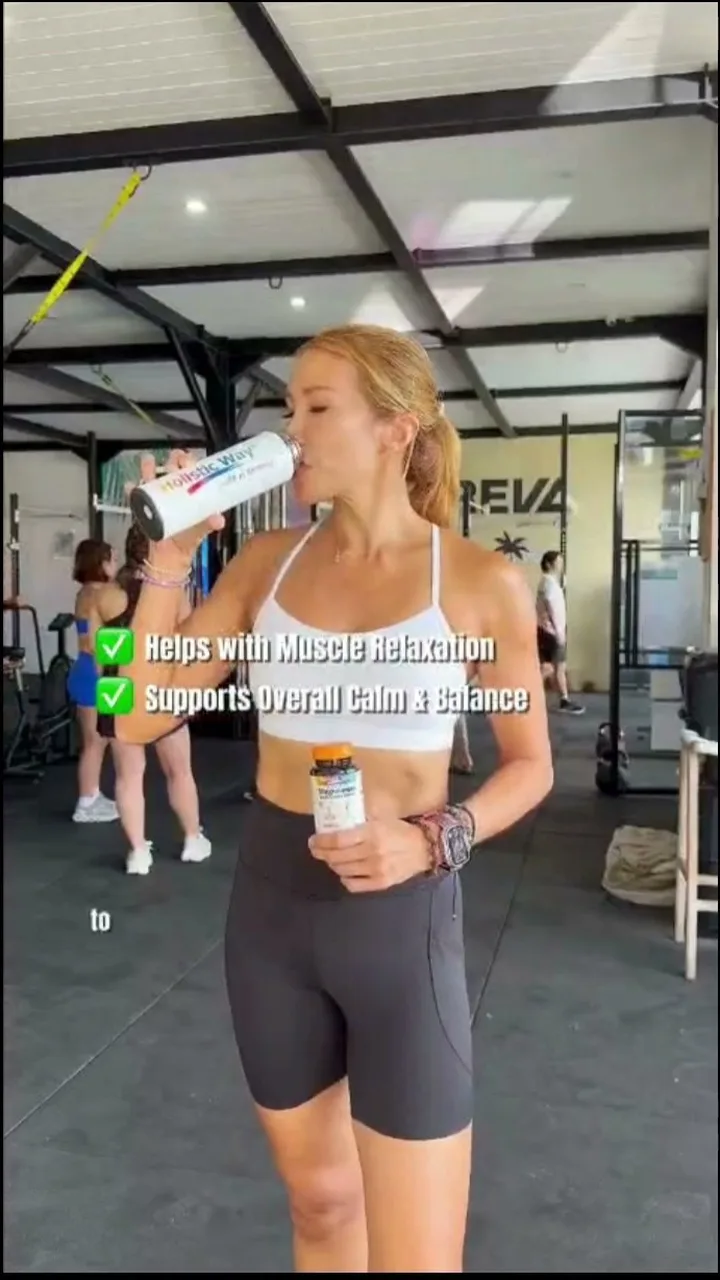
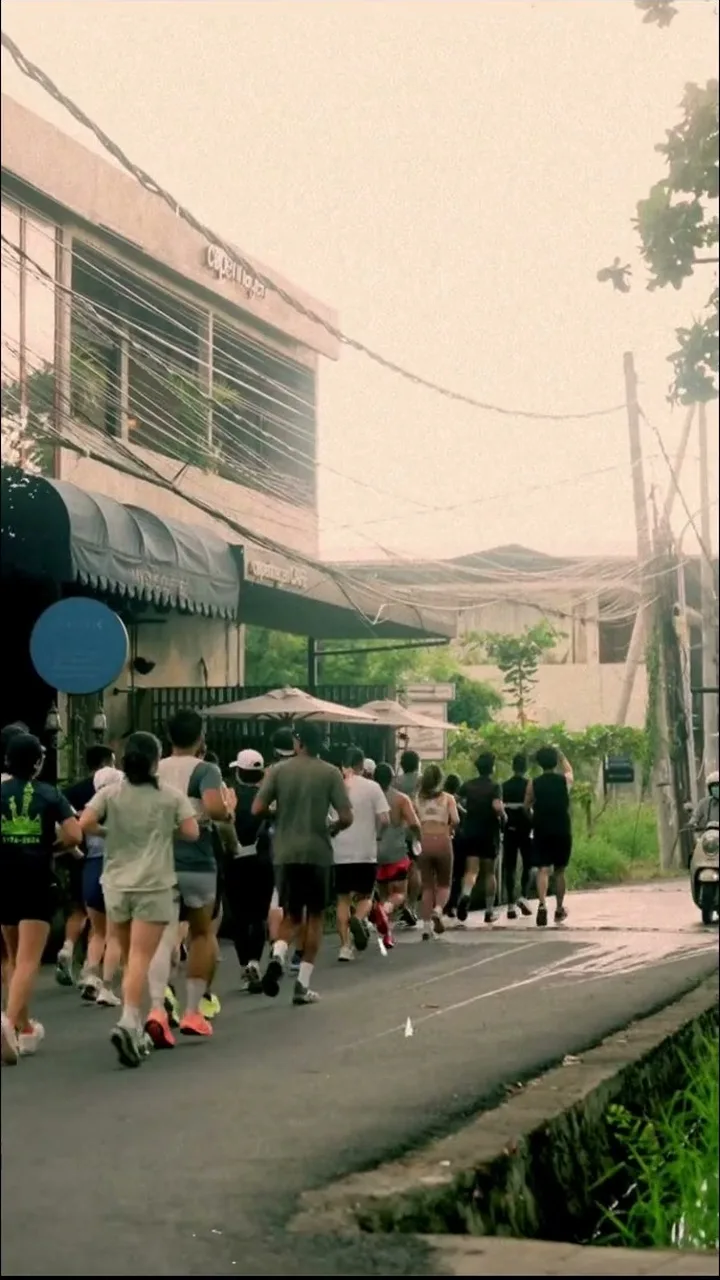
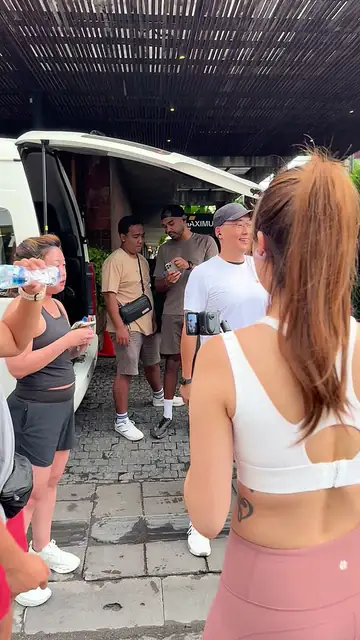
Two of our own trips show the range. For Holistic Way, we flew three creators from Singapore to Bali and built nine supplement products into the trip, from the airport to the gym to sunset, for 53,807 views and impressions. For Sony, creators went from take-off to morning community runs in Bali with the WH-1000XM6 headphones, for 26,731 impressions and 4,963 engagements.

How many creators go on an influencer trip?
It depends on the brief rather than a fixed number. The limit is production, not headcount: more creators do not automatically mean more usable footage, and an oversized group slows every location day down. Holistic Way's Bali trip worked with three creators.
How do you plan an influencer trip?
- Set the objective. Decide whether the trip has to prove content volume, sales or trust, because that decides the format. A trip built for content has no customer prize; one built for sales adds a spend and win mechanic, as Fuze Tea and Holistic Way did.
- Choose the creators. Pick them by audience fit and on-camera skill, not follower count. You should approve the shortlist before anything is confirmed.
- Choose the destination. Match it to the story the product needs, then to the budget and the flight time.
- Write the shot list. Plan every location day around the product moments you need, not around sightseeing.
- Start filming before departure, so the campaign has content from day zero.
- Shoot for three to four days on location, with a crew there for the whole trip.
- Edit for media. Cut the footage into a film and a set of ad-ready cutdowns, and run the best performers as paid ads.
Eight to ten weeks is a comfortable runway for a trip in Asia. It gives room to secure the right creators at the right rates. Trips can be turned around faster, but flight and hotel costs rise sharply inside six weeks and creator availability narrows.
Which destinations work best from Singapore?
Short-haul Asia does most of the work: Bali, Phuket, Bangkok and Vietnam are all a short flight away, which keeps travel days from eating into shoot days. Phuket is under two hours from Singapore, and Bangkok is two hours twenty. Japan, China and Australia suit brands that need a specific backdrop, and long-haul cities such as Paris and New York suit premium categories where the location itself carries the message. The destinations we shoot in list flight times for each.
Pick the destination for the story, not the postcard. MariBank needed somewhere a card gets used spontaneously, so Bangkok's night markets worked. A wellness brand needs mornings, movement and calm, which is why Holistic Way went to Bali.
What are the disclosure rules for influencer trips?
A hosted trip is a form of payment, so the posts it produces are sponsored content and have to be labelled as such. In Singapore, the Advertising Standards Authority of Singapore's guidelines on social media say disclosures for sponsored content should be clear and prominent, and the government has said that non-disclosure of sponsorship can also fall under the Consumer Protection (Fair Trading) Act.
In Malaysia, the Communications and Multimedia Content Forum opened a public consultation on proposed guidelines for influencers and brand collaborations in September 2026, covering areas such as misleading claims, fake engagement and AI-altered content. They were still a draft at the time of writing, so check the final version before a Malaysian campaign goes live.
In practice we write the disclosure into the brief, so every creator labels the partnership in the format each platform supports. It costs nothing in performance and protects both the brand and the creator.
How much does an influencer trip cost?
Our influencer travel campaigns start from SGD 20,000 for a standard campaign and go up to about SGD 50,000 for a fully customised, curated one. That covers the creators, flights from Singapore, accommodation, ground logistics, the production crew and the content set. Travel is operated with a Singapore-licensed travel agent under licence TA03759, which you can check on the Singapore Tourism Board's TRUST register.
What moves the price is the number and size of the creators, the destination and flight time, the number of shoot days, the size of the content set, and how long you want usage rights for. A brand that already pays for a studio shoot and a round of influencer posts every quarter is often spending a similar amount for less content.
How much does an influencer trip cost in Singapore?
FLYCO's influencer travel campaigns start from SGD 20,000 for a standard campaign and go up to about SGD 50,000 for a fully customised one, covering the creators, flights from Singapore, accommodation, ground logistics, the production crew and the content set.
How do you measure an influencer trip?
- Content output: how many usable assets came back, and the cost per asset compared with your last studio shoot.
- Organic performance: views, impressions and engagement on the creators' posts.
- Paid performance: cost per result when the footage runs as ads, compared with your current creative.
- Commercial results where there is a mechanic: purchases and revenue in the activation window, as with Holistic Way's 11x return.
- Shelf life: how many weeks the footage keeps performing before it needs replacing.
When is an influencer trip the wrong choice?
When the budget is well under SGD 20,000, a local influencer campaign without the travel component will do more for the money. When the product has to be shown in a local setting, such as a store opening or a pop-up, a local activation fits better. And when nobody on your side will run the content as paid media afterwards, much of the value of a trip goes unused.
Who owns the content from an influencer trip?
The brand receives usage rights for the footage by package, and extended or perpetual rights can be quoted upfront. Creator posts stay on the creators' own accounts under the terms agreed in their contracts.
Is an influencer trip the same as a fam trip?
No. A fam trip, or familiarisation trip, is usually run by a tourism board or hotel to promote a destination. An influencer trip is run by a brand to promote its own product, using the destination as the setting for the content.
Do you need an influencer marketing agency to run an influencer trip?
You need someone who can do three jobs at once: pick and manage the creators, produce the shoot, and run the travel legally. An influencer marketing agency that handles all three end to end, as FLYCO does, saves you coordinating a talent agency, a production house and a travel agent separately.