
Corporate Retreat vs Voucher Campaign vs Influencer Campaign
The short answer
On an identical budget, a voucher campaign buys the fastest short-term volume and leaves nothing behind. A paid influencer campaign buys reach and rents credibility for the length of the contract. A corporate brand retreat is the slowest to launch and the only one of the three that produces retail revenue, a content library and long-term advocates from the same spend, which is why it is judged on what remains after the window closes rather than on what happens inside it.
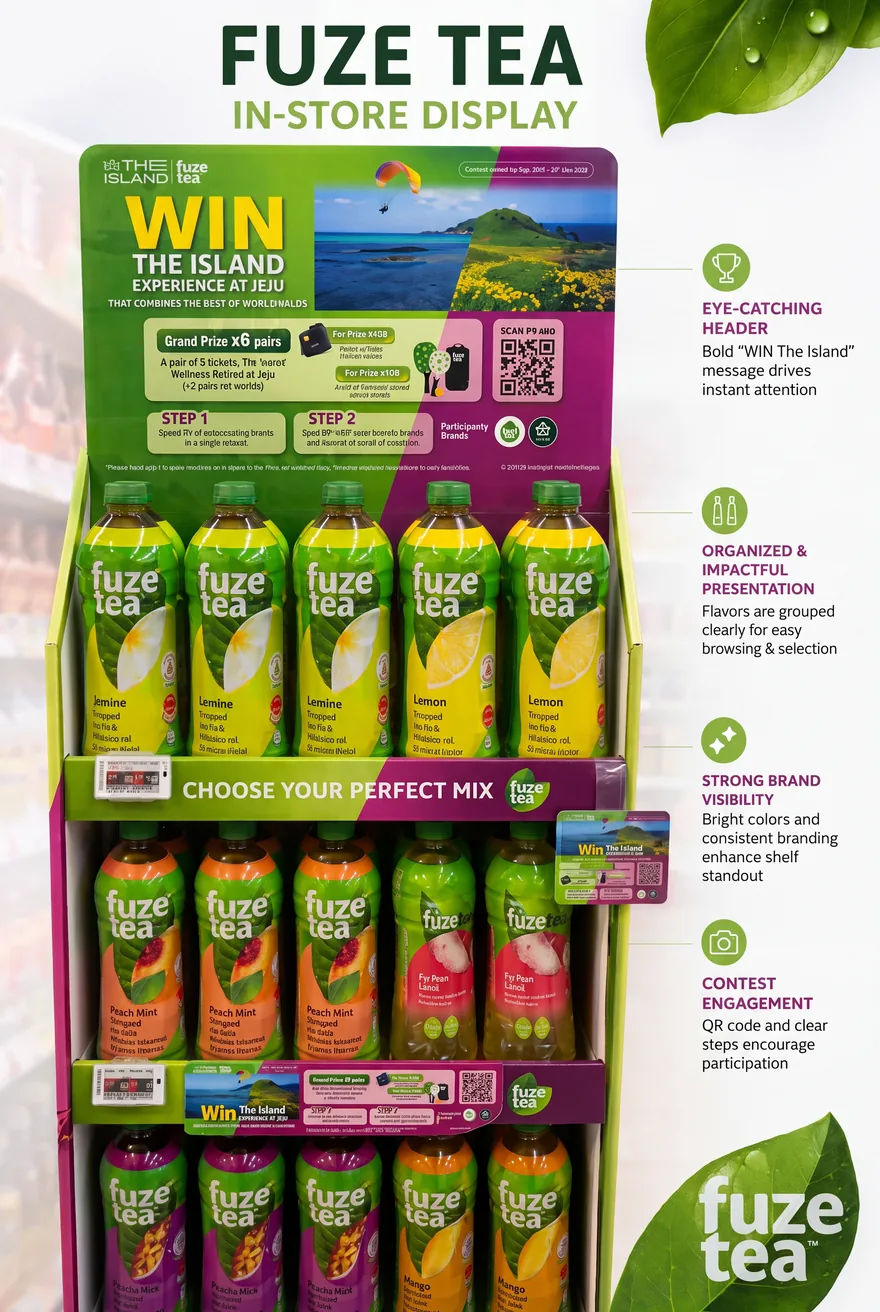
Brand, marketing and finance each approve for different reasons, and that is usually why this decision stalls. The comparison below is laid out on all three sets of criteria rather than just the one your loudest stakeholder cares about.
What is the short answer?
Choose a voucher campaign if you need volume this month and have no content requirement. Choose a paid influencer campaign if awareness is the gap and you need it live in two weeks. Choose a brand retreat if you need retail revenue and a content library from one budget, and you have eight to ten weeks to work with.
None of those three is wrong. They fail when they are picked for the wrong problem. Most commonly that is a voucher campaign deployed against a brand-trust problem, which discounts the product without making anybody believe in it.
How do the three compare on the same budget?
| Brand retreat | Voucher campaign | Influencer campaign | |
|---|---|---|---|
| Drives retail revenue | Yes, via a spend threshold above normal basket | Yes, but by reducing margin on every sale | Indirectly, and hard to attribute |
| Cost behaviour | Fixed. Same cost at 10 or 200 qualifiers | Scales with success. More uptake, more margin given away | Fixed per creator, per post |
| Content produced | Brand film, 4 to 10 cutdowns, up to 3 testimonials | None | Creator-owned posts, in creator style |
| Who owns the assets | You, for 1 to 3 months as standard | Nothing to own | Creator retains; you licence for the term |
| Branding on the experience | Welcome kits, signage, itinerary, the film | A logo on a discount code | Creator's channel, your brief |
| Testimonial proof | Real customers, filmed on location | None | Paid endorsement, and audiences know it |
| Time to launch | 8 to 10 weeks | 1 to 2 weeks | 2 to 4 weeks |
| What remains after | Content library plus advocates | A margin hole | Reach figures and a lapsed licence |
| Risk | Execution and timing | Trains customers to wait for the discount | Creator fit; a wrong pick reads as rented |
What is the ROI of a corporate retreat in Singapore versus a voucher campaign?
A voucher campaign's return is capped by the margin it gives away and ends when the window closes. A spend-to-win retreat holds the prize cost fixed while lifting every qualifying basket, so the return grows with uptake. Holistic Way measured eleven times campaign cost across a three-day activation, and still kept the content library afterwards.
Why does a voucher campaign look cheaper and cost more?
Because its cost is invisible at the point of approval and shows up in the margin line afterwards. A ten percent discount across a successful campaign window costs more the better the campaign performs, which is a genuinely strange incentive structure once you notice it.
There is a second cost that never reaches a spreadsheet. Discounting repeatedly teaches your customers to wait, and a category that has been trained to wait is significantly harder to sell at full price later. That is a slow, compounding expense, and it is the reason a lot of brands feel like they are running harder promotions for flatter results.
Why do paid influencer campaigns flatten out?
A decade of local content has fatigued audiences. People recognise the café, the studio backdrop, the format, and they skip, so performance declines while cost per creator does not. The usual response is to add more creators to the same brief, which produces more of the content that was already being ignored.
The other structural issue is ownership. In a standard paid influencer arrangement the asset lives on the creator's channel, in the creator's voice, licensed for a term. It is rented credibility, and when the term lapses you are back where you started.
“Your Bangkok campaign videos outperformed all our other MariBank videos on both organic and paid reach.”
Hui Juan, MariBank
That is the same creator economy, redeployed. MariBank's Bangkok retreat footage beat everything else they had running on both organic and paid reach, and not because the creators were better but because the setting reset the fatigue and the story gave the product a reason to appear.
Is a brand retreat better than an influencer campaign?
For content volume and ownership, yes: one retreat produces a brand film, a cutdown library and testimonial footage you licence for one to three months, shot in a single production window. An influencer campaign is faster to launch and better when awareness is the gap, but the assets stay on creator channels in creator voice.
Can you run more than one of these together?
Yes, and the combination is usually stronger than any of them alone. The most effective pattern we see: the retreat produces the asset library, and the paid influencer budget is then spent distributing that library rather than commissioning new content. Same total spend, but the creative being amplified is yours, in your voice, and it does not expire when a creator contract does.
Vouchers still have a place inside this, as a clearance tool for a specific line, not as the headline mechanic for a brand campaign.
Which should you choose?
- Need volume this month, no content requirement
- Voucher campaign. Accept the margin cost and keep the window short so you do not train the habit.
- Nobody knows the brand exists
- Paid influencer campaign. Buy reach first; advocacy has nothing to attach to yet.
- They know you and do not believe you
- Brand retreat with a testimonial deliverable. Trust problems need proof, and proof needs people on camera.
- Need retail revenue and a content library from one budget
- Spend-to-win retreat. It is the only one of the three that produces both.
- Under SGD 20,000 in total
- Local influencer campaign and content production without the travel component.
How long does each option take to get live?
A voucher campaign can launch in one to two weeks, a paid influencer campaign in two to four, and a brand retreat needs eight to ten weeks for an Asia destination. Inside six weeks, retreat flight and hotel costs rise sharply and the creator shortlist narrows.